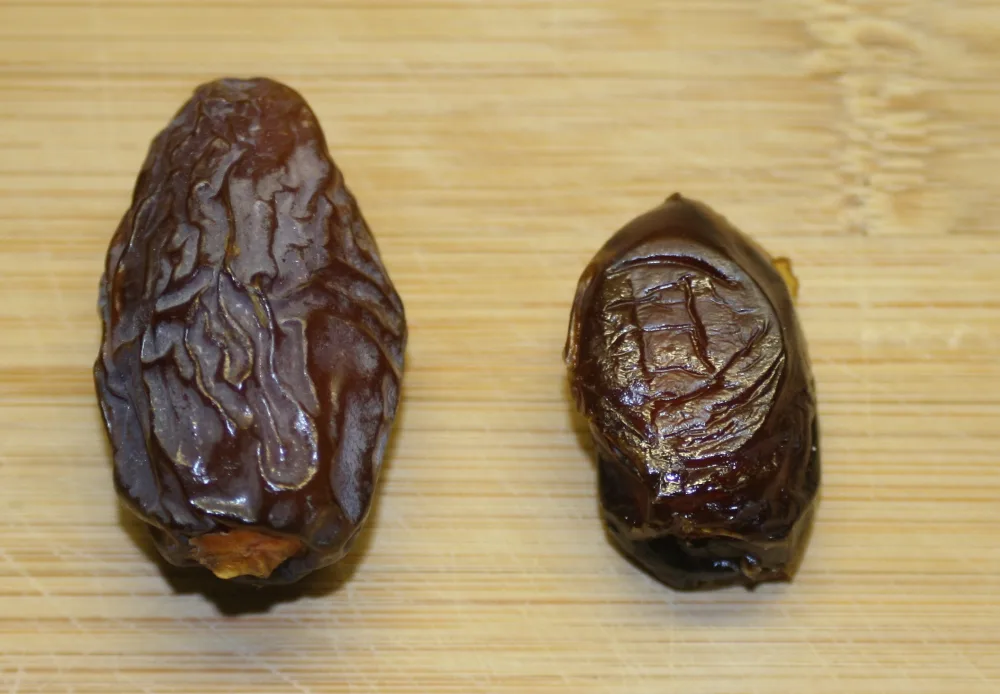
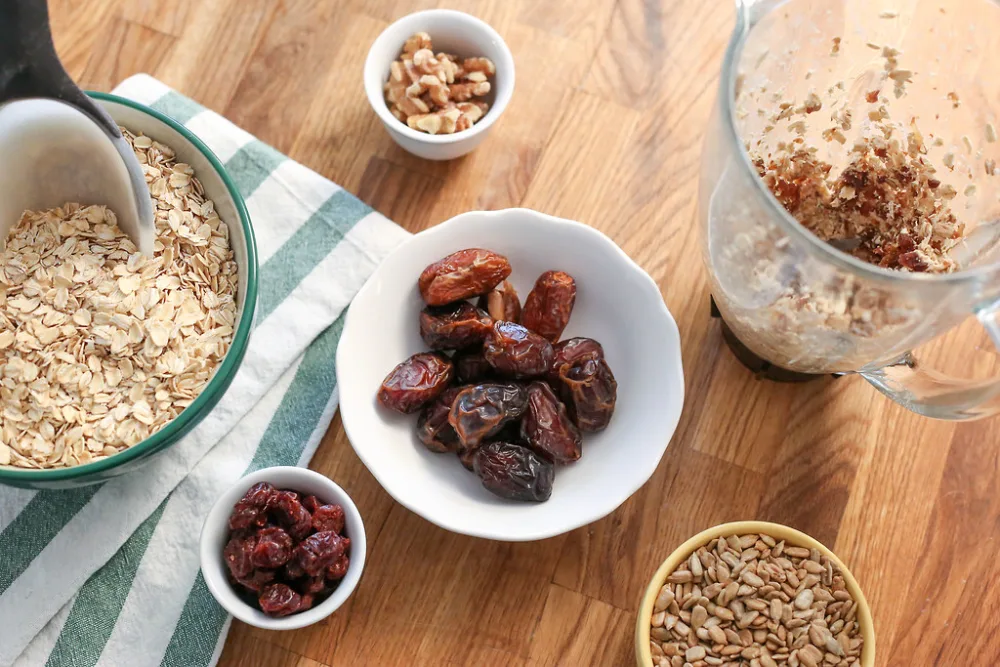
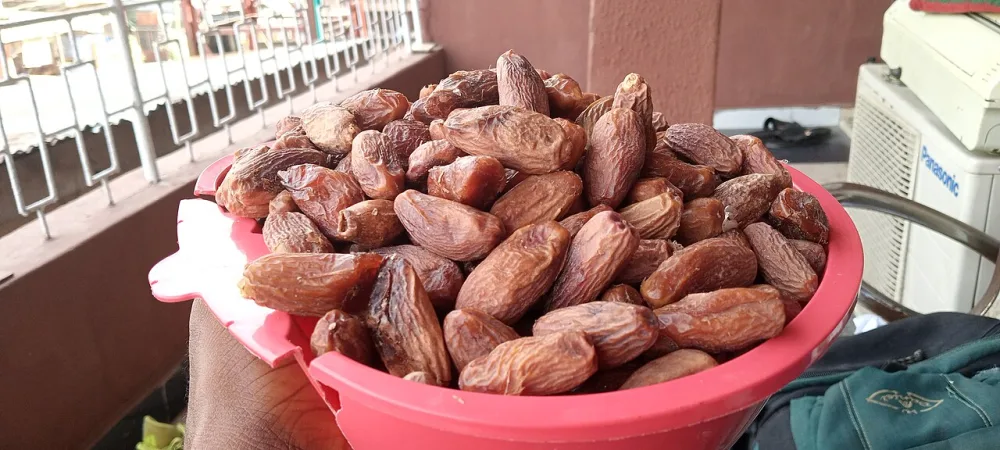
With over a dozen date varieties on the market, the most practical question is not "which is the best?" but "which is best for my need?" Dates for daily snacking differ from dates for a luxury hamper; dates for sweetening a dish differ from dates for someone watching blood sugar. As a date reference hub, this page lays out a guide to choosing dates by need and use, complete with a recommendation matrix. The goal is to save your time and money: instead of guessing, you can immediately narrow the options to your purpose.
Three Questions Before Choosing
Before looking at the matrix, answer three short questions that will steer your choice. First, what is the date for? Snacking, a gift, cooking, or a large event? Second, what flavour and texture profile do you want? Very sweet and melting, or light and chewy? Third, what is your budget and quantity? A few premium pieces for a gift, or kilograms for daily eating? These three answers are usually enough to filter a dozen varieties down to two or three sensible candidates.
Recommendation Matrix: Dates by Need
The table below maps common needs to commonly recommended varieties, with reasons. This is a starting guide; personal taste is the final decider.
| Need / Use | Suitable varieties | Reason |
|---|---|---|
| Economical daily snack | Sukari, Egyptian dates, Deglet Noor | Affordable, tasty, available by the kilo |
| Premium snack / serving guests | Jumbo Medjool, Sukari VIP, Mazafati | Grand appearance and special flavour |
| Hampers & gifts | Ajwa, Medjool, Anbara | Prestige, value, and a memorable package |
| Natural cooking sweetener | Medjool, Mazafati | Melting and easy to blend into paste |
| Cakes & baking | Deglet Noor | Drier, keeps batter from getting too soft |
| Smoothies & energy balls | Medjool | Soft texture, easy to blend |
| Watching blood sugar (educational) | Khalas, Sukari, Ajwa | Glycemic index tends to be low; mind portion |
| Mass iftar at mosque/office | Sukari, Egyptian dates, Safawi | Economical per serving, available in large cartons |
| Madinah-themed souvenirs | Ajwa, Safawi, Mabroom | Madinah origin with traditional value |
Notice that some varieties appear in many rows. Sukari, for example, is versatile: economical enough for daily use, tasty enough for serving, and relatively low-GI. Medjool dominates the premium and culinary categories thanks to its size and texture. Meanwhile Ajwa, Safawi, and Mabroom excel in Madinah-themed gifting.
Guide by Scenario
For Everyday Snacking
If you want dates to enjoy routinely without draining your wallet, prioritise good flavour and a fair price. Sukari offers a melting sweetness many people love at a mid price, while Egyptian dates and Deglet Noor are often the value choice for large-volume stock. Consider the per-piece price, not just per kilogram, so daily eating feels economical.
For Gifts and Hampers
For gifts, impression and appearance decide. Ajwa carries strong traditional value, jumbo Medjool gives a luxurious look, and Anbara impresses through its extraordinary size. Combining several varieties in one box is also popular because it gives the recipient flavour variety. Make sure the packaging is neat and the grade is clear so the gift's value feels worthwhile.
For Cooking and Natural Sweetening
In the kitchen, texture matters more than prestige. Melting Medjool and Mazafati blend easily into a date paste that replaces sugar in cakes, sauces, or smoothies. Conversely, for cookies or baking that need stable batter, the drier Deglet Noor is often a better fit. Matching texture to the recipe avoids results that are too wet or too hard.
For Those Watching Blood Sugar
Educationally, varieties with a tendency toward low glycemic index, such as Khalas, Sukari, and Ajwa, are often a starting point for consideration. But remember, all dates are sugar- and calorie-dense, so a small portion and a protein or fat pairing remain important. For an in-depth discussion, see our article on glycemic index, and for special conditions, involve a doctor or nutritionist.
Common Mistakes When Choosing Dates
- Choosing by price alone. The cheapest is not necessarily the most economical per serving, and the most expensive is not necessarily the best fit for your need.
- Ignoring the use. Gift dates and cooking dates have different criteria; treating them the same often leads to disappointment.
- Equating sweet with unhealthy. Sweetness does not automatically mean a blood-sugar spike; mind the glycemic index and portion.
- Not asking the grade. Without grade clarity, it is hard to compare offers fairly.
Closing
Choosing dates becomes much easier when you start from the need, not the variety name. To understand the grade and condition terms here, see our A–Z Date Glossary; to link your choice with blood sugar, read Date Glycemic Index; and to estimate quantities, see our Size & Pieces-per-Kilogram Table. If you need help matching a variety to a specific need — snacking, hampers, cooking, or a large event — our Jabodetabek team is ready to recommend via WhatsApp +62 823-4350-8579.
Matching Your Choice to Budget
Budget is often the quiet decider in choosing dates, and acknowledging it early makes decisions clearer. There are three common budget tiers. For the economical tier, Egyptian dates, Deglet Noor, and standard-grade Sukari deliver satisfying flavour at a light cost, ideal for everyday family eating or large iftar stock. For the mid tier, higher-grade Sukari, Safawi, and Khalas offer rising quality and flavour without jumping too far. For the premium tier, Ajwa, jumbo Medjool, and Anbara bring prestige and the best appearance, most fitting for gifts and special moments. Matching the budget tier to the use prevents two mistakes at once: buying too expensive for a simple need, or too cheap for an occasion that demands impression. A helpful trick is splitting the budget across two goals: value dates in bulk for daily eating, plus a small allowance for one premium variety for guests or gifts.
Note: these recommendations are educational to help you choose, not medical advice. For special diets or health conditions, consult a doctor or nutritionist.